
How to monitor your critical sites and facilitate decision-making?
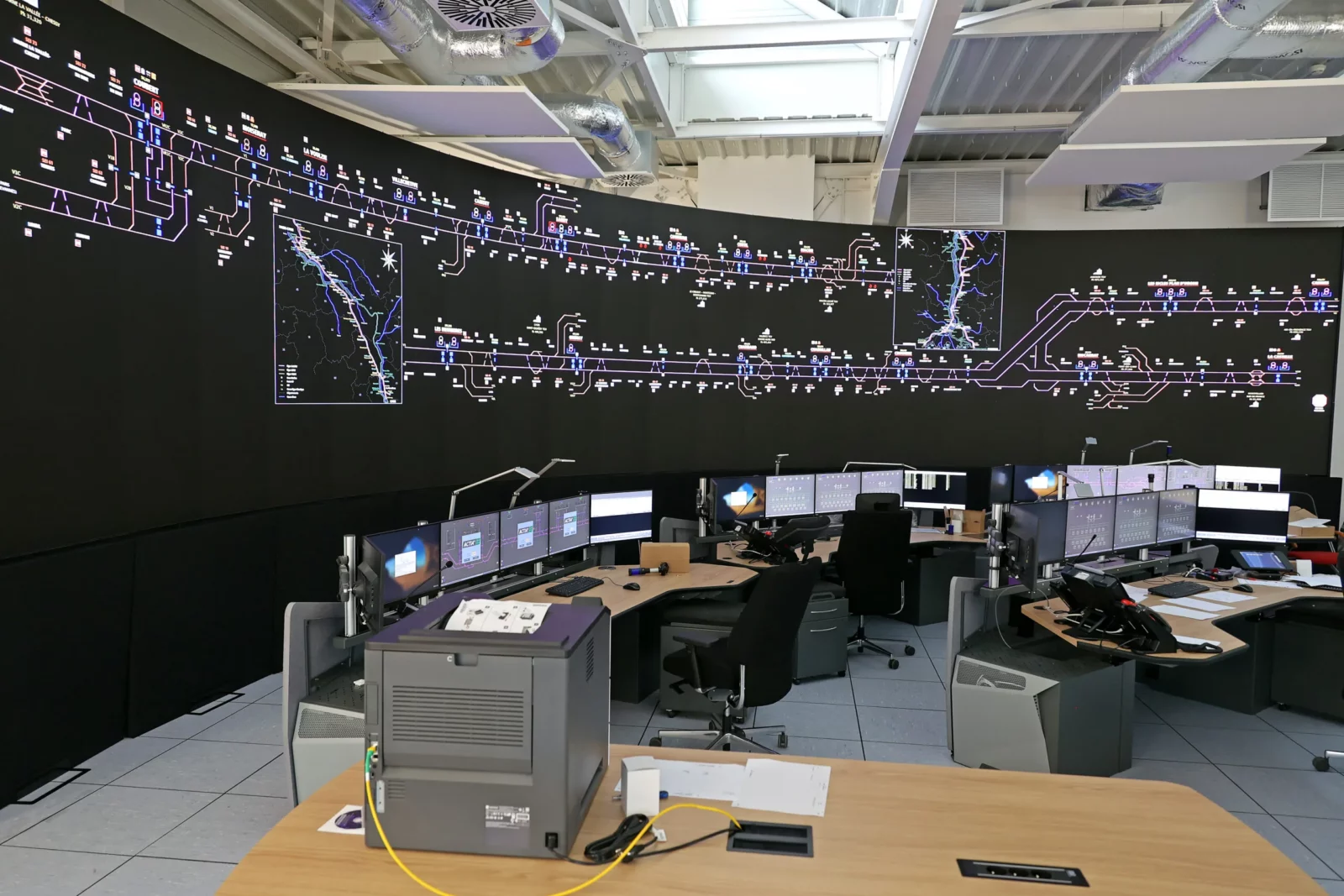
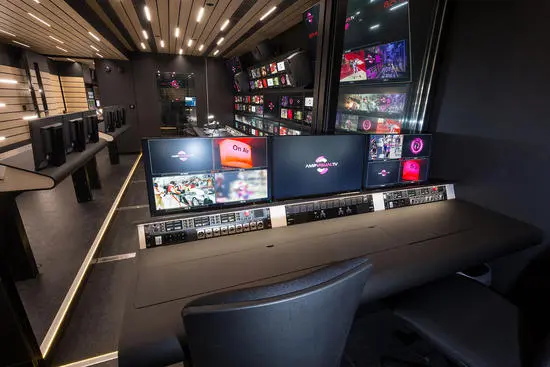
At a sensitive site, operators must have quick access to the information they need to understand a situation and make the right decisions. A control and supervision room centralizes data streams, alerts, and operational data within a shared environment.
The challenge goes beyond simply displaying information. Teams must identify anomalies, share a common understanding of the situation, and access the right data at the right time. The layout of the space, the organization of information, and the availability of systems directly influence their ability to act.
Videlio supports organizations looking to create or modernize their monitoring environments. Our approach starts with operators’ workflows, the data streams to be monitored, and site-specific constraints to define a system tailored to real-world operating conditions.
Why centralize the monitoring of your sites and infrastructure?
Centralizing monitoring allows operators to access relevant information in a shared environment. This gives them a clearer overview of operations, enabling them to understand a situation and coordinate their response.

View useful information at the right time
Video feeds, alerts, technical data, or line-of-business applications: information can come from a variety of systems. Centralizing this information helps operators identify events that require their attention more quickly and monitor activity in real time.

Facilitate coordination and decision-making
A shared view allows teams to rely on the same information during daily operations or in sensitive situations. This enables operators to better coordinate their actions and facilitate decision-making.
Videlio provides solutions for control and monitoring environments in the transportation, industrial, and public infrastructure sectors.
How can we make decision-making easier for operators?
Available information is only useful if the operator can quickly identify and interpret it.
A control room must therefore prioritize information based on business needs. Priority data streams, alerts, and operational indicators must remain accessible without requiring multiple steps.
The goal is to provide teams with a shared view of the situation to facilitate analysis and coordination during both daily operations and incidents.
A shared display can complement individual workstations when multiple people need to monitor the same information. The technical solutions used depend on the number of sources, their nature, and the site’s constraints.
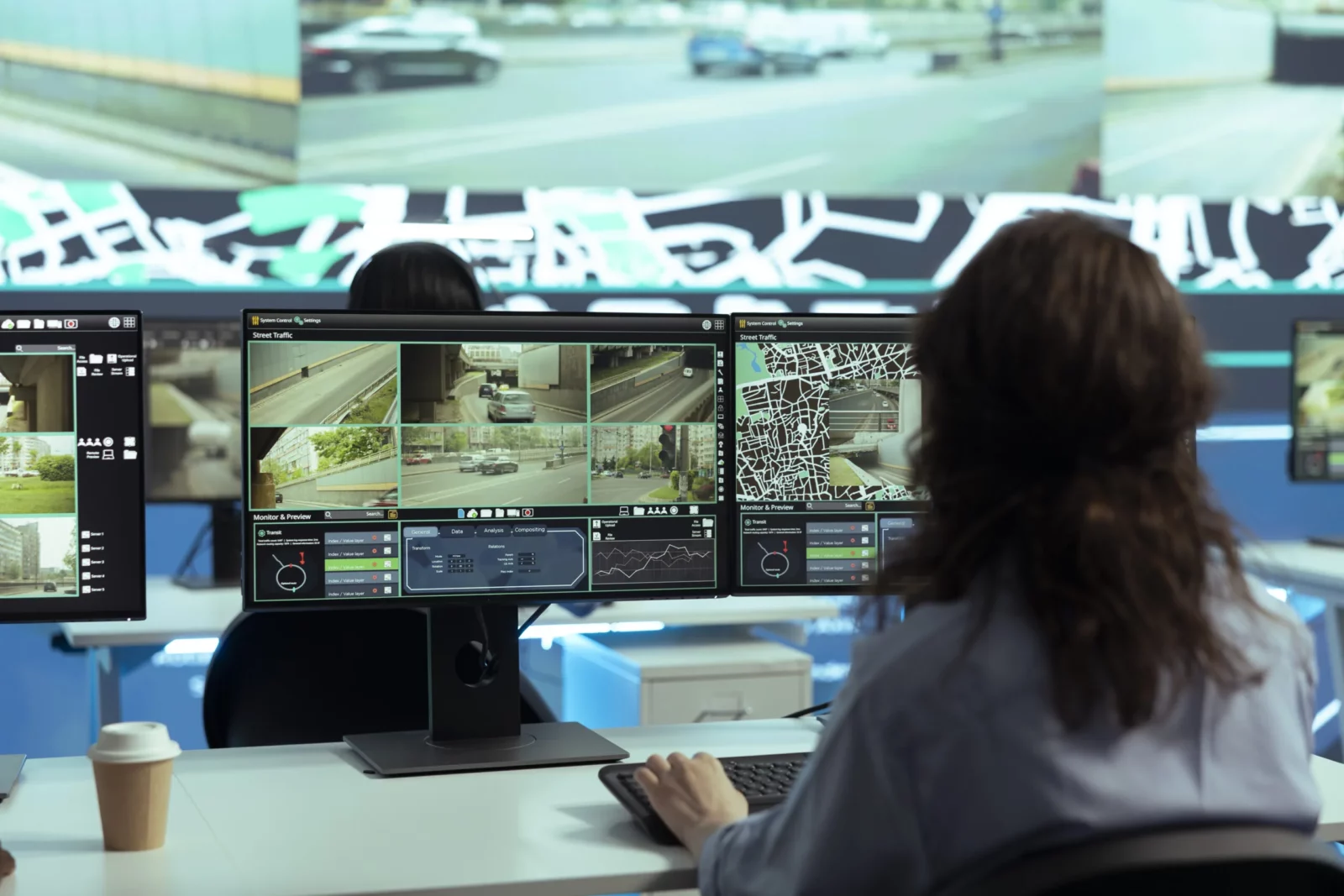
How should information be organized in a control and monitoring room?
A control room can receive data streams from a variety of sources: video, business systems, maps, technical data, alarms, or building-related information.
Displaying more information does not automatically make monitoring easier. The way this information is organized must align with the operators’ tasks.
Analyzing usage patterns helps determine, in particular, which information must remain visible at all times, which should appear when an event occurs, and which employees should be able to view it.
This analysis then guides the selection of display surfaces, operator stations, and control tools.

Adapt the display to operational situations
Needs change depending on the site’s activity. A team may be monitoring day-to-day operations and then need to quickly switch to managing an incident or crisis.
The monitoring environment must accommodate this shift without complicating the operators’ work.
Display and source distribution systems can therefore offer multiple configurations based on scenarios defined with the business teams. Operators access information tailored to their specific tasks and can share relevant data with others in the control room.
Agelec’s expertise within the Videlio Group enables us to address the needs for visualizing and utilizing information in decision-making environments.
How can we ensure a reliable monitoring environment that is tailored to the operators' needs?
Site monitoring also involves the equipment used by operators. Knowing the status of this equipment allows operations teams to identify malfunctions and organize the appropriate response.
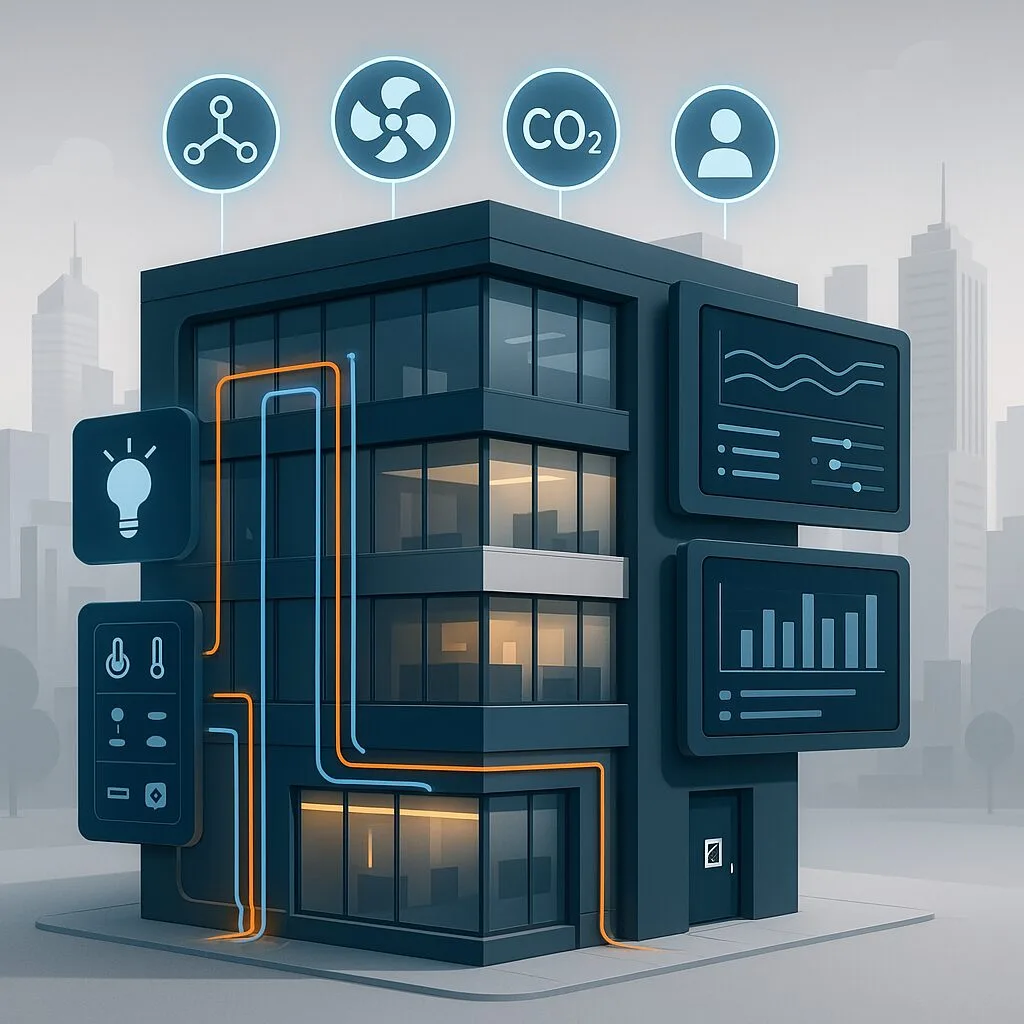
Depending on the project’s needs, a hypervision tool can centralize equipment status data and facilitate equipment management.
Videlio’s Showpilot platform allows users to view and control equipment and spaces from a single interface. Its scope depends on the chosen architecture and the connected systems.
This monitoring layer complements the control environment without replacing the line-of-business applications used by operators.
Give your operators a clear picture so they can make decisions
Structure your monitoring environment around the information, usage patterns, and operational constraints specific to your site.
L’innovation au service de l’expérience
Une expertise construite au fil des projets, portée par des équipes présentes en France et à l’international.
- 83%du CAC 40 travaille avec Videlio
- 372millions d’euros de chiffre d’affaires en 2025
- +1000collaborateurs dans le monde
- 30agences en France et à l'international
Tailored services and support

Audit
and ConsultingOur teams assess your audiovisual equipment, facilities, and usage patterns to anticipate obsolescence, prioritize your investments, and develop a roadmap.

User Support and Staffing
Support, troubleshooting, and on-site technicians: Our teams ensure the safety of your meetings, make it easier to use the equipment, and take the pressure off your in-house staff on a daily basis.

Maintenance and Managed Services
Maintenance, monitoring, and managed services: Our teams anticipate incidents and ensure the continuity of service for your audiovisual equipment.
What You Need to Know About Monitoring Critical Sites
The information varies depending on the job and the site: video feeds, maps, alerts, technical data, or operational applications. The way this information is organized must align with the operators’ tasks.
Modernization begins with an analysis of usage patterns, existing systems, and IT constraints. This step helps identify which equipment to retain and what changes are needed.
Ergonomics affects the readability of information and operators’ working conditions. In particular, it takes into account workstations, viewing distances, and lighting conditions.