What is mapping?

What is mapping?
It has been the new star of the audiovisual world over the past five years. Whether on monuments, in performance venues, or in museums, video mapping is gaining more and more fans.
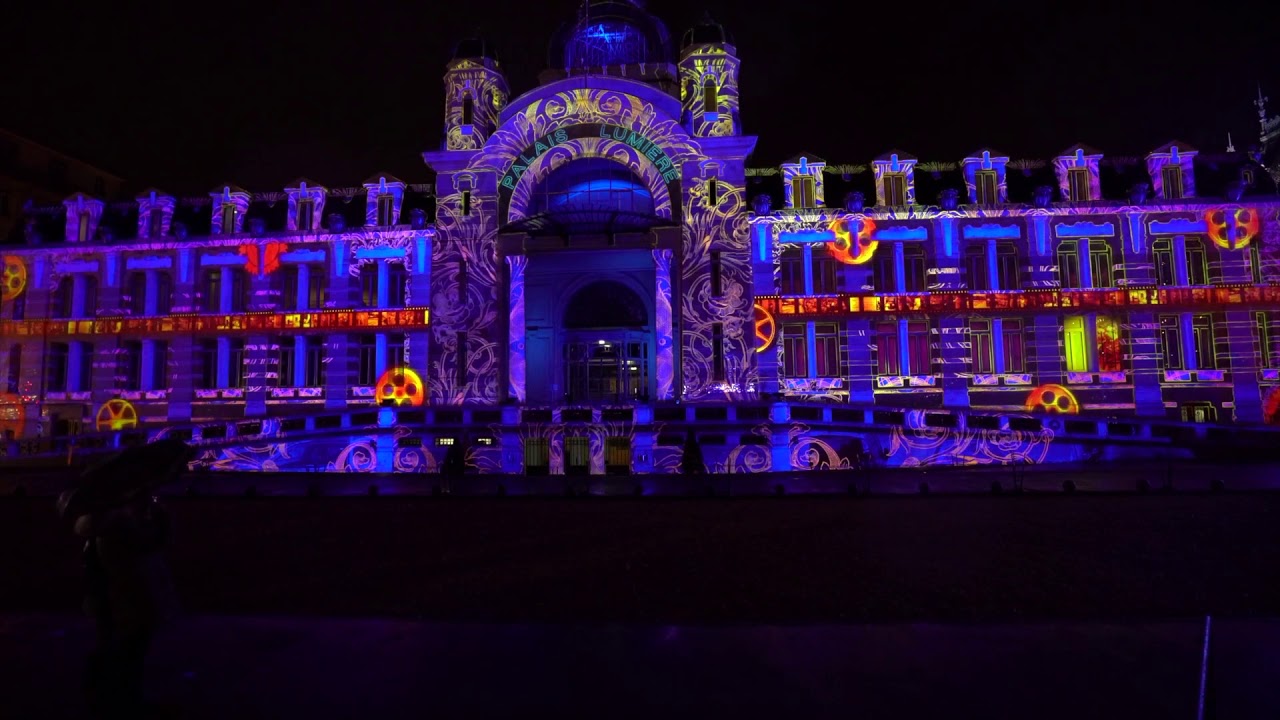
Also known as architectural projection or “3D mapping,” it’s a projection technique that brings buildings or three-dimensional objects—whether stationary or moving—to life through the projection of animated visuals. The video content is tailored to the projection surface down to the millimeter to perfectly conform to its shape. Projection mapping is generally carried out on unusual, non-traditional spaces and aims to create the illusion of texture
Whether used to enhance an event or as the event itself, video mapping offers increasingly sophisticated experiences and attracts large numbers of tourists, visitors, and spectators.
“Mapping isn’t just about projecting an image onto a wall,” says Stéphane Feuillet, director of the Scénotechnique division at Videlio, right off the bat.
“It’s a holistic approach to artistic creation that showcases a surface through content specifically designed for it, aiming to provide the most immersive experience possible.”
The content is created for the surface, not the other way around. The building or surface onto which the content is projected is not used merely as a backdrop for an image. It is the image that must bring the building to life by taking its lines and contours into account.
The Art of Mapping
Projecting an image onto a canvas is one thing. Projecting an image onto a 15th-century Gothic cathedral is quite another. The angles, the shadows, the surface, the light, the nature of the surface, the reliefs, the audience’s field of view… Projection mapping is an art form that leaves no room for error.
Projection is the foundation of mapping. But beyond that, many other tools can be used to enrich the experience and create a next-generation sound-and-light show. This may include lighting or sound equipment to achieve complete immersion. Specialized lighting can highlight certain aspects of the surface or even illuminate the sky to create a unique atmosphere.
“We aim to support the creator’s vision with the best possible technical setup,” explains Stéphane Feuillet, director of Videlio – Scénotechnique.
The Importance of Sound
Sound: a specialty that requires precision. Today, it is an integral part of the vast majority of video mapping projects. But just like projection, sound reinforcement must be executed with extreme precision. For an event-based project, it’s generally possible to deploy the right amount of equipment so that several hundred or thousands of people can hear clearly.
In the case of a temporary show—one that will be repeated several times a day for weeks—other constraints must be taken into account, such as:
- the cost of long-term equipment rental,
- the need to provide greater protection for the equipment from the audience or inclement weather during this period (using towers, for example),
- or the issue of prolonged noise pollution for nearby residents.
Mapping the Region of Lights
Each year between 2019 and 2021, the region will select seven sites that will be showcased, in particular through mapping projects carried out by the Videlio teams.
The Cathedral of Saint-Flour (Cantal), the Château d’Aubenas (Ardèche), and the Cathedral of Vienne (Isère) will be the first three sites to benefit from the program starting in the summer of 2019.
“Our goal is to boost tourism everywhere, including in areas that are often considered less attractive,” said Laurent Wauquiez, President of the Auvergne-Rhône-Alpes Region.
Deploying such shows at historic and tourist sites obviously requires expertise that goes far beyond audiovisual technology. The equipment must be able to remain in place for several weeks without damaging or detracting from the sites.
Projection towers, removable street furniture, and even temporary mounting slabs can be installed to support the equipment, then clad in a way that respects the site. Get ready—the mapping phenomenon is just getting started!