How to broadcast a sporting event on-site and online?
Sport has always been an integral part of our lives. Whether played as a team or individually, it is something we practise and watch with passion and enthusiasm. Few events have brought people together for as long as sport has. Whatever the discipline, sport has a unique ability to unite audiences.
In France, sporting competitions date back to the Gallo-Roman era and became increasingly widespread during the Middle Ages. A major turning point in sporting history came in 1896 with the first modern Olympic Games in Athens, originally known as the Games of the I Olympiad. Over nine days of competition, 241 athletes competed across nine sports for a total of 122 medals. Sporting disciplines have evolved considerably over the years, but the Olympic tradition has endured and remains one of the world’s most widely watched sporting events.
Today, countless sporting events and competitions take place throughout the year: Formula 1 Grands Prix, the Super Bowl, the Tour de France… there is something for everyone. The way we experience sport has also changed dramatically. In the past, the only way to experience the action was to attend the event in person. The arrival of television gradually transformed this, making it possible to follow competitions without having to be at the venue.
The development of technology has completely changed the way we experience sporting events, both inside and outside stadiums. The rise of the internet and social media has taken this transformation even further, making it possible to watch events live online and across social platforms.
So how can you create an outstanding experience for spectators, both at the venue and beyond?
Digital transformation at the heart of sports venues
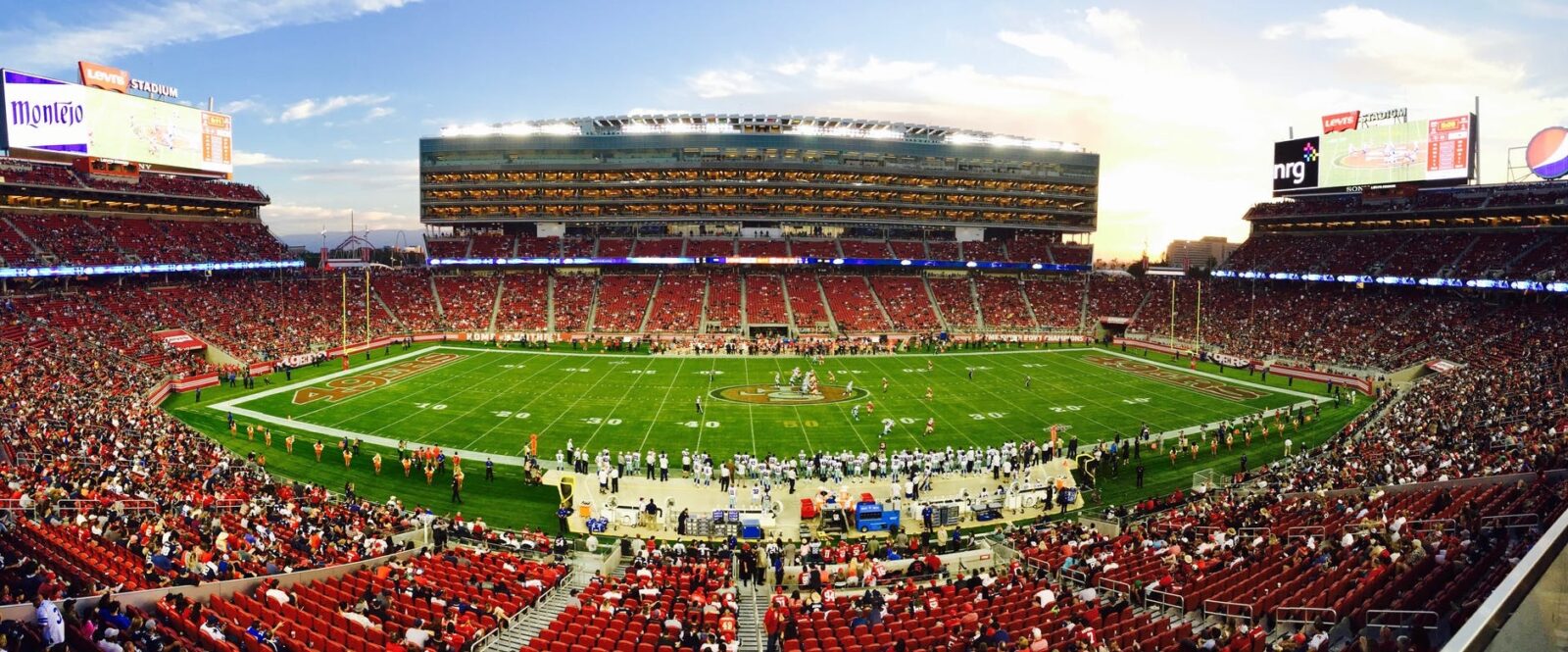
In the age of digital technology, stadiums are facing new challenges and changing spectator expectations. At sporting events, audiences expect a unique and emotional experience. The Stadium 2.0 concept puts spectators at the heart of the experience, creating an interactive environment enhanced by engaging and participatory content.
A wide range of tools and technologies can be used to create an unforgettable sporting experience: large screens, lighting and sound systems all play an important role. Today, stadiums are going even further with connected venues, drones, Wi-Fi access and interactive entertainment.
One of the major innovations of recent years is the social wall: a digital display that brings together posts from multiple social media platforms in one place. It provides a live stream of content, allowing spectators to see their posts displayed for several seconds in front of the entire audience. This system significantly encourages audience participation while increasing the event’s visibility across social media. A social wall creates an engaging experience for spectators both at the event and beyond the venue.
Using streaming
Streaming is another highly effective way to extend the reach of an event beyond the stadium. Live video has become increasingly popular and essential in recent years. During the 15 days of competition at the Rio 2016 Olympic Games, for example, Facebook Live attracted 285 million unique viewers worldwide across live and on-demand video.
Live streaming can dramatically expand an event’s audience by making it accessible worldwide. Content can be shared across social media as well as on organisers’ and partners’ websites. Most importantly, viewers can react and interact in real time. This increased visibility encourages conversations between viewers and helps build an engaged community of fans.
Creating daily highlights
Alongside streaming, which is an excellent way of bringing competitions to online audiences, producing daily behind-the-scenes and highlight content can also be highly effective for sporting events.
This involves capturing content throughout the day and sharing a recap of the event on social media. Daily highlights allow people who were unable to watch the live broadcast to catch up on behind-the-scenes content and relive the key moments of the competition.
Several sporting events supported by Videlio – Events provide excellent examples of how this approach can be used to achieve these objectives.
- Paris 2024 Olympic bid:
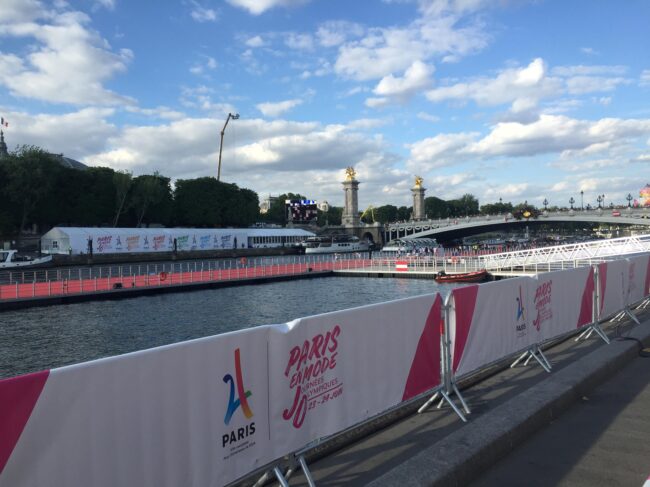
To support Paris’s bid to host the 2024 Olympic Games, the City of Paris organised three days of Olympic-themed sporting events. As part of the initiative, a floating athletics track was installed on the River Seine, while ten activity zones gave visitors the opportunity to try around thirty different sports.
Videlio – Events worked alongside the UBI BENE agency to ensure that Parisians attending the event could follow activities taking place across the different zones. Several camera operators equipped with wireless cameras moved throughout the site to capture key moments. The footage was then broadcast on the venue’s large screens using a live production control system and a wireless transmission network.
- V de V Sports:
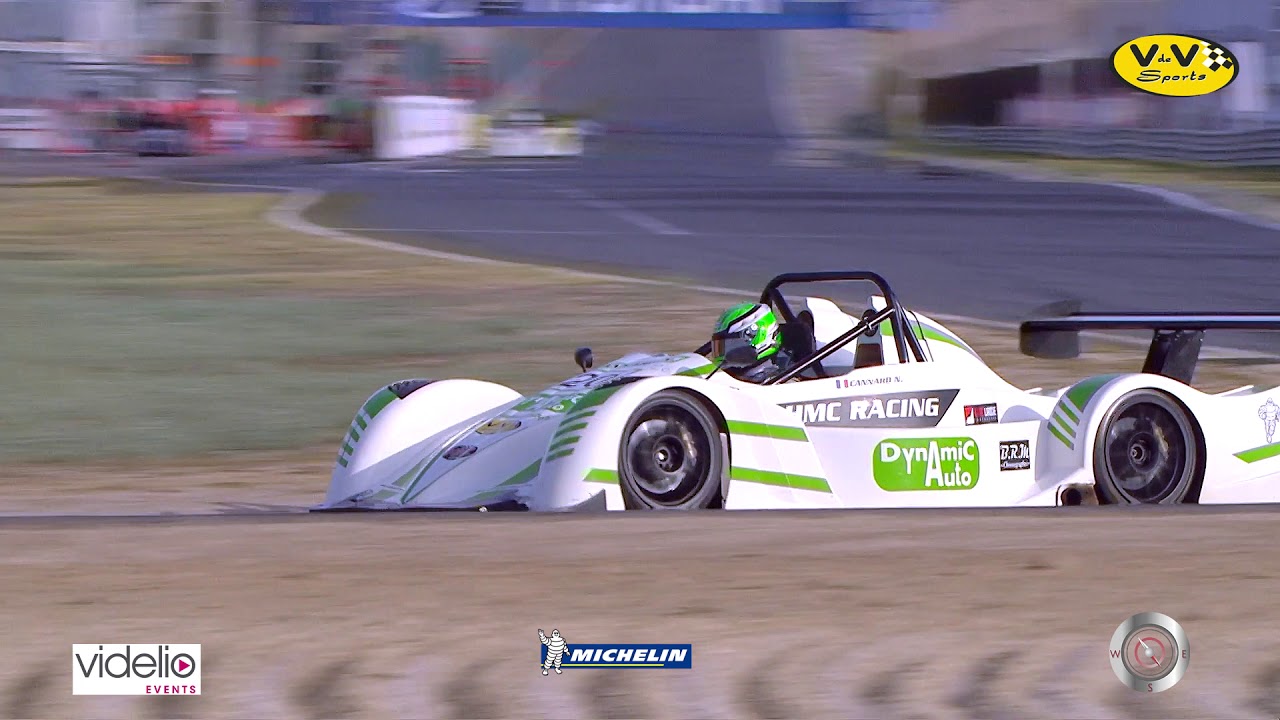
Videlio – Events supported V de V Sports across all its races, providing live video production for broadcast on screens at the venues as well as live streaming on the V de V Sports website.
A Videlio outside broadcast van was deployed at each event. The Endurance Series race in Portimão, Portugal, held from 28 to 30 April, marked the beginning of a successful collaboration. For the occasion, the Videlio broadcast van took to the circuit for the first time to provide full coverage of the event, with 13 hours of live broadcasting on the first day and eight hours on the second.
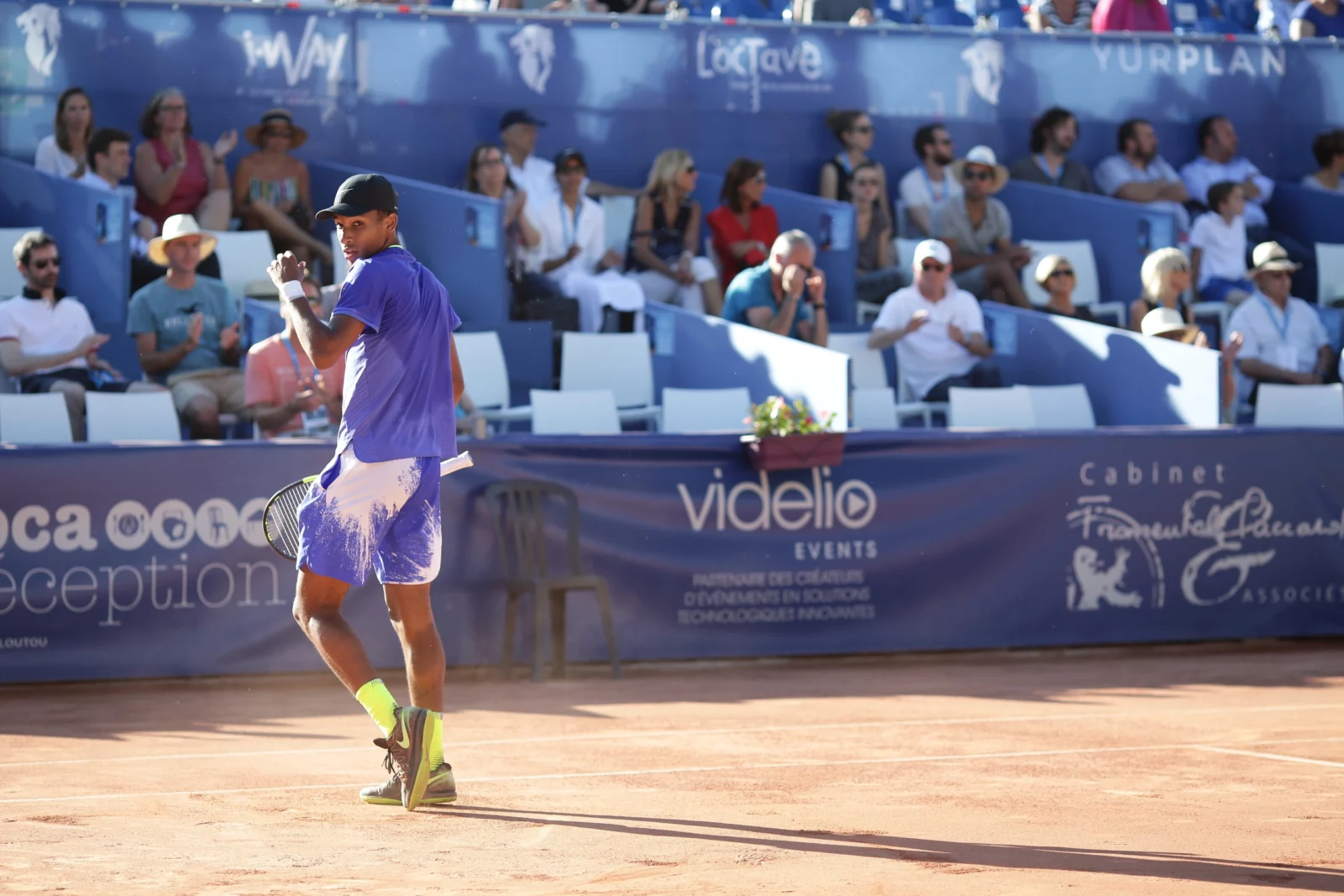
- Nice Open tennis tournament:
The Marseille-based Videlio – Events teams were on court to produce footage for international broadcasters, while also providing live coverage of every match throughout the week for beIN Sports. The production included commentary positions as well as a TV studio for pre- and post-match coverage.
- Mondial du Vent:
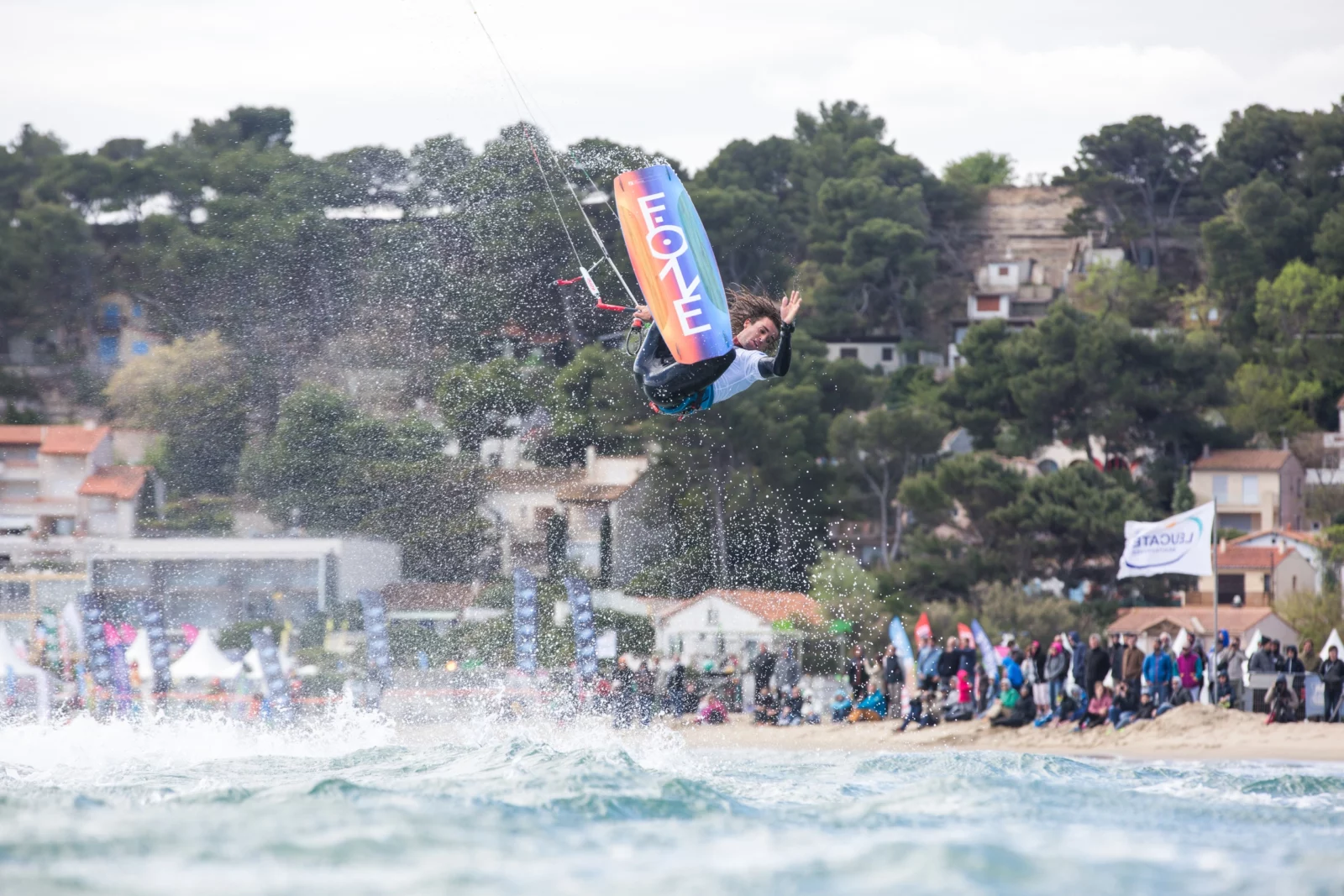
For the event’s 20th anniversary, Videlio – Events supported the organiser in bringing spectators and online audiences the best of the sporting action. The team provided video production using HD cameras, Canon 5D cameras, slow-motion cameras, GoPros and aerial filming. Footage was supplied daily for the production of highlights and for TV broadcasters.
The content was also shown live at the event on a 10 m² V6 mobile LED screen.
Videlio – Events also supports Orange Events across its events, producing daily highlights for sporting events such as the Sosh Freestyle Cup.
Crédit photo DR Mondial du Vent.